
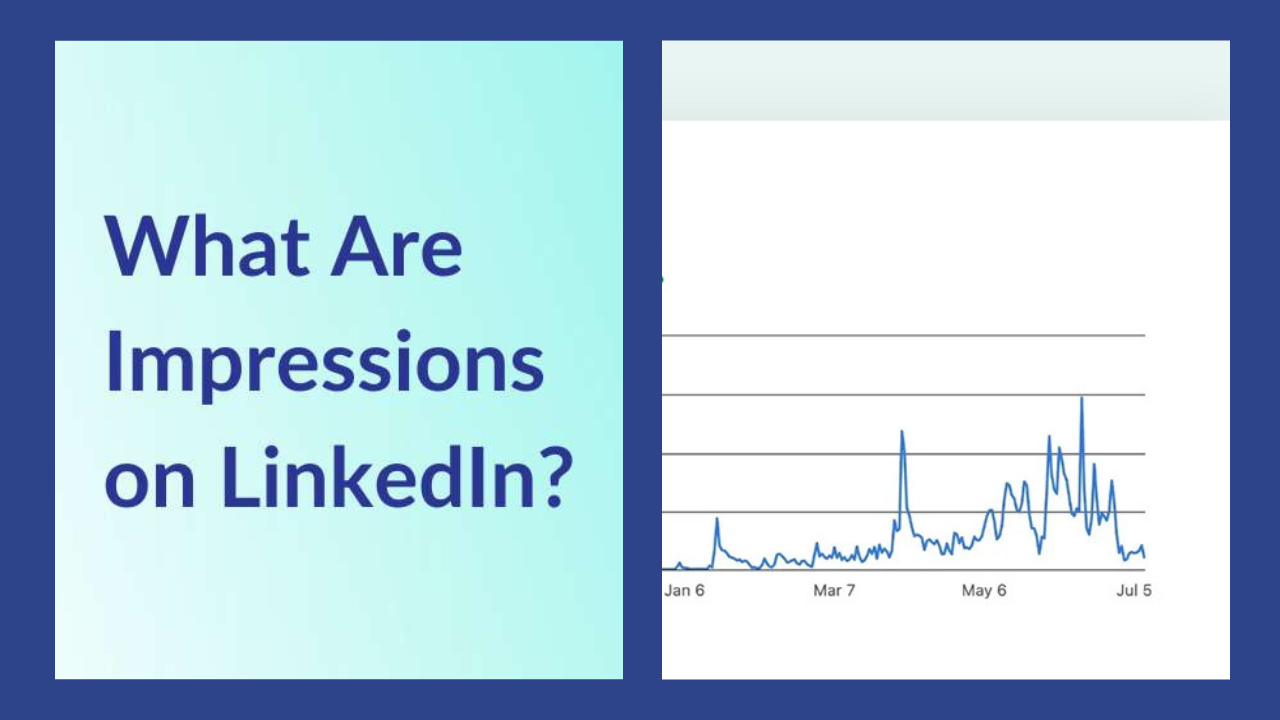
In today’s professional world, being seen is often the first step toward being trusted. LinkedIn has grown far beyond its early role as a place to list job history and credentials; it now functions as a living, conversation-driven network where ideas, insights, and expertise compete for attention. To use the platform effectively, it’s crucial to understand how visibility actually works and how it is measured. One of the most talked-about metrics on LinkedIn is impressions, yet it’s also one of the most commonly misunderstood. This article breaks down what impressions mean on LinkedIn, how they apply to posts and comments, and why they play such a critical role in shaping long-term visibility and influence.
What Are Impressions on LinkedIn?
On LinkedIn, impressions reflect how often your content shows up on someone’s screen. This can occur in various places, including the main feed, search results, notifications, and other sections where LinkedIn highlights activity. An impression is recorded the moment the content appears, regardless of what the viewer does next. There’s no requirement for a click, a reaction, or a comment, and the person doesn’t even need to stop scrolling. If the content is visible, even briefly, it counts as an impression.
One important thing to understand about impressions is that they don’t represent individual people. The same viewer can contribute more than once if your content appears to them multiple times. For instance, someone might notice your post on LinkedIn in the morning and then see it again later in the day during another visit. Each appearance is counted separately. Because of this, impressions are best understood as a measure of overall exposure, not as a headcount of unique users reached.
At its core, this metric answers a simple question: how often is your content actually being seen by people? On its own, it doesn’t say much about whether the content was interesting or valuable, but it does mark the starting point of visibility. If something isn’t being shown, it can’t spark interaction, and without interaction, any visibility quickly fades. Impressions, then, are the first step in a chain that leads from being seen to being remembered.
Why LinkedIn Uses Impressions as a Core Metric
LinkedIn is built around the idea of showing people content that feels useful, timely, and professionally relevant. Impressions help the platform understand how far a piece of content is reaching and how often it reappears across different networks. From LinkedIn’s perspective, these early visibility signals help determine whether a post should be shown to more people or whether its distribution should slow.
For individuals and organizations alike, impressions work like a simple health check for visibility. They indicate whether content is expanding beyond close connections or remaining limited to a familiar audience. When viewed over time, impression patterns can be especially telling, making it easier to spot whether visibility is gradually building, holding steady, or quietly fading.
It’s important to remember that impressions don’t carry judgment on their own. A large number doesn’t automatically signal success, just as a smaller one isn’t necessarily a sign of poor performance. What really gives impressions meaning is the surrounding context—how consistent the visibility is, how it changes over time, and how it compares with past activity rather than a single snapshot.
What Are Impressions on LinkedIn Posts?
Impressions on LinkedIn posts count how often a post is shown anywhere on the platform. It doesn’t matter whether the content is a short text update, a longer written post, a document, a video, or a mix of formats. Every time that post appears in someone’s feed or another visible area on LinkedIn, it registers as a single impression.
The number of impressions a post receives is closely tied to how LinkedIn distributes content. When something is first published, it’s usually shown to a small portion of the creator’s network. If people respond positively—by reacting, commenting, or spending time reading—it signals that the post is worth sharing more widely, and visibility can grow quickly. If that early response is muted, impressions often level off before reaching a broader audience.
Timing can influence how a post performs, especially in its early moments. Sharing content when your network is most active increases the likelihood of immediate visibility, which can help build initial momentum. That said, timing alone isn’t enough to sustain a post’s reach. Without content that feels relevant and a consistent activity pattern, impressions tend to fade regardless of when something is published.
Post impressions are invaluable for understanding how visible your content is. They make it easier to see which topics are catching attention, which formats tend to travel further, and whether your posts are reaching people outside your immediate circle. Over time, these signals help paint a clearer picture of what’s gaining traction and what’s staying contained.
How Post Impressions Differ from Engagement
Impressions tell you how often a post is shown, but engagement reveals what people actually do with it. A post can appear thousands of times and still receive only a handful of reactions or comments. That doesn’t make impressions irrelevant; it simply shows that visibility hasn’t yet turned into active interest or participation.
Impressions point to opportunity, while engagement shows how people respond to it. You need both to get a clear sense of performance. Content with wide visibility but little interaction may be getting seen without truly connecting, while content with fewer impressions but strong engagement often resonates deeply with a smaller audience. Neither situation is automatically positive or negative; it only makes sense when viewed through the lens of overall goals and strategy.
Looking at impressions and engagement together over a more extended period makes it easier to fine-tune a content strategy. Patterns start to emerge, indicating whether the real need is to increase visibility, improve content connection, or strike a better balance between reach and relevance.
What Are Impressions on LinkedIn Comments?
Impressions on LinkedIn comments reflect how often a comment is shown to other users. This can happen when a post starts circulating more widely in the feed or when people scroll through the comments section. As with posts, a comment generates an impression every time it appears on someone’s screen, whether or not anyone reacts to it or engages further.
Comment impressions matter because they increase visibility beyond creating original posts. By adding thoughtful, relevant comments to the right conversations, people can share their perspective with a broader audience without publishing anything themselves. When a post gains strong momentum, the comments beneath it often follow suit, giving those contributions the chance to gain significant exposure.
This metric reinforces the idea that visibility on LinkedIn isn’t tied only to posting content. Participating in conversations can be just as influential in shaping how often a profile appears to others. Well-timed, thoughtful comments that add real value can surface a person’s viewpoint to large audiences, particularly when they contribute early or encourage further discussion.
The Strategic Value of Comment Impressions
Comment impressions provide a clear view of how visible you are in ongoing conversations. Rather than focusing only on your own posts, they show how often your perspective appears in broader discussions. For professionals looking to establish credibility in a particular field, this kind of visibility can be just as crucial as publishing original content.
A high number of comment impressions usually suggests involvement in posts that are gaining broad attention. It can also mean that a comment sits within an active thread where people are spending time reading and engaging. While this kind of visibility doesn’t automatically drive profile visits or new connections, it increases the likelihood of being noticed by the right audience.
Like post impressions, comment impressions should be viewed with caution. A large number indicates the comment was seen frequently, not that people agreed with it or found it valuable. Ultimately, it’s the substance, relevance, and tone of what’s being said that determine whether that visibility translates into meaningful results.
Impressions vs Reach vs Engagement
To really make sense of impressions, it helps to separate them from other related metrics. Impressions count the total number of times something is shown, while reach measures how many unique people saw it at least once. Engagement, on the other hand, reflects what users actually do, tracking actions like reactions, comments, and shares.
Each of these metrics serves a different purpose. Impressions show how frequently content appears, reach reveals how many people it reaches, and engagement highlights how those people react. When viewed together, they offer a far more complete and valuable understanding of overall performance.
Looking at impressions in isolation can paint an incomplete picture. A more meaningful analysis examines impressions alongside reach and engagement, assessing how they interact. Doing this makes it easier to see whether visibility is broad or narrow, whether it’s prompting interaction or remaining passive, and whether it’s likely to last or fade quickly.
Why Impressions Matter for Long-Term Visibility
Impressions matter because they mark the very first moment someone becomes aware of your presence. Every result on LinkedIn, whether it’s a profile visit, a message, or a new opportunity, starts with being seen. Impressions capture that initial exposure, the point where attention begins, and everything else has the chance to follow.
Watching impressions over a more extended period makes it easier to spot patterns and set realistic benchmarks. Instead of focusing on a single post, you can see whether visibility is slowly building, rising in short bursts, or staying essentially unchanged. These longer-term trends often say far more about progress than any one-off result.
For individuals, impressions offer a clue as to whether their ideas are traveling beyond a close circle of connections. For organizations, they help show whether messages are starting to gain broader awareness. In both situations, impressions serve as an early indicator of momentum, signaling whether visibility is building or holding steady.
Conclusion
Having a clear grasp of what impressions mean on LinkedIn—whether on posts or within comments—is crucial for anyone aiming to be visible on the platform. Impressions show how often content is served to people, giving a sense of its reach and distribution. On their own, they don’t capture interest or impact, but they lay the foundation for engagement, reach, and influence to grow.
When used thoughtfully, impressions can reveal a great deal about visibility, helping shape strategy and encourage more consistent, purposeful participation. Paired with reach and engagement, they offer a clearer view of how a presence evolves. In a professional space built on relevance and conversation, impressions aren’t just figures on a screen; they’re early signs of opportunity waiting to be turned into something meaningful.
Read More: NewsDetects.
Add a Comment