
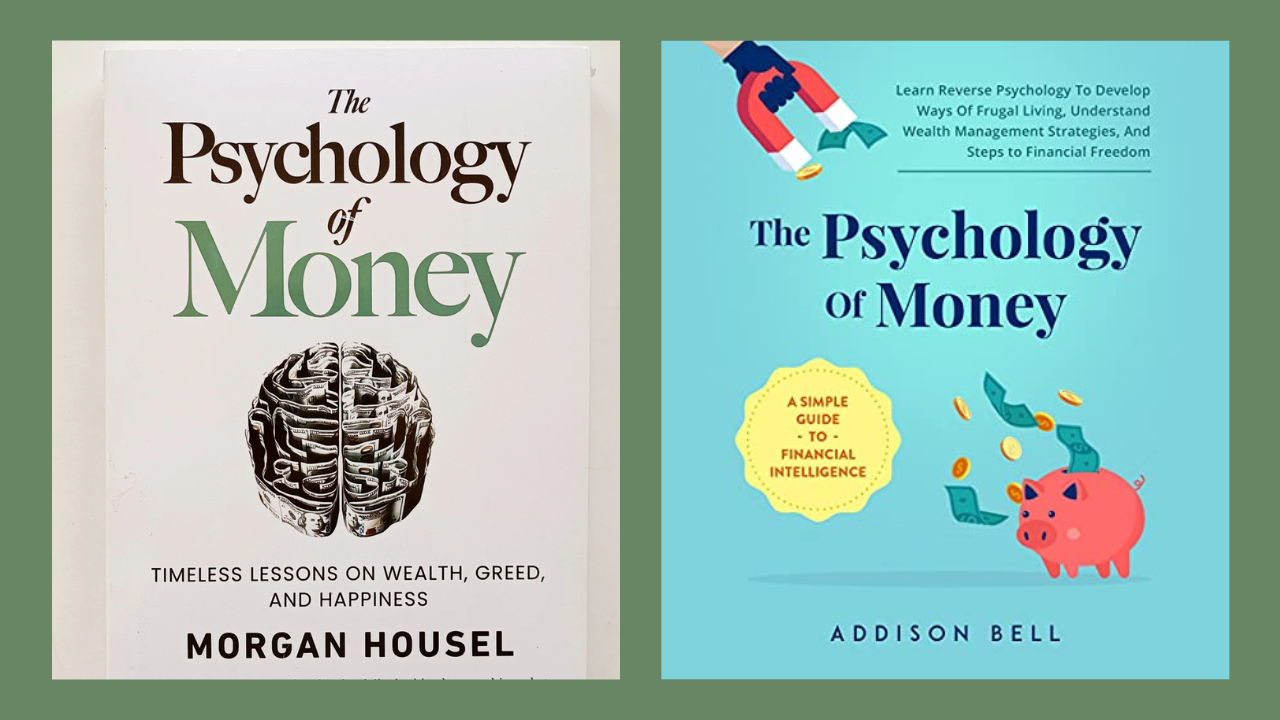
Money influences almost everything we experience in life — the choices we make, the goals we set, the fears we carry, and the future we hope to build. Yet true financial success rarely comes down to calculations or perfectly planned budgets. More often, it stems from our habits, emotions, and the way we interpret the world around us. The Psychology of Money — whether you read it as a book, explore it through a PDF, skim a summary, or listen to the audiobook — takes this idea to heart. It explains how our mindset plays just as important a role as the amount we earn. In this piece, we take a closer look at the book’s significant insights, why readers turn to different formats, and how its lessons can help you develop a more grounded, confident approach to managing your money.
The Core Idea: Money Is Psychological, Not Just Mathematical
At its core, The Psychology of Money makes a straightforward yet profound point: lasting financial success depends far more on how you behave than on how much you know. Patience, self-control, and the way you view risk and opportunity often shape your outcomes more than any technical training or high-level expertise ever could.
Put simply, the book reminds us that managing money is a profoundly human skill. It doesn’t treat finance as a sterile, formula-driven science but as something shaped by emotions, habits, and personal history. Instead of overwhelming readers with complicated strategies, it guides them toward a healthier way of thinking — one grounded in patience, humility, self-awareness, and an understanding that uncertainty is an unavoidable part of life.
What the Book Covers: Format and Structure
The Psychology of Money consists of a series of short essays rather than lengthy, technical chapters.
- Each chapter uses stories and real-world examples to illustrate how people think about money.
- Instead of offering a universal formula for financial success, the book emphasizes that everyone’s relationship with money is shaped by their unique experiences and biases.
- The writing style is simple and accessible, making it ideal for beginners and experienced readers alike.
This format makes the book highly readable and easy to return to.
Key Themes and Lessons: Understanding Money Through Psychology
The Psychology of Money is packed with meaningful lessons, but a handful of ideas stand out and truly shape the book’s message.
Luck and Risk — Understanding What Lies Beyond Your Control
One of the earliest and most important lessons is that luck and risk influence nearly every financial outcome.
- Success is rarely entirely earned; sometimes timing and circumstance play a significant role.
- Extreme successes or failures should never be treated as universal models to follow.
- Recognizing the roles of luck and risk encourages humility and reduces harsh judgment of others.
This perspective helps people make wiser decisions with more awareness and less ego.
Compounding and Time — The Subtle Strength of Patience
Compounding is presented as one of the strongest forces in finance.
- Wealth often grows slowly, then suddenly, after years of consistency.
- Early saving and long-term investing produce results far greater than sporadic big wins.
- Time, not brilliance, is the most excellent tool available to everyday savers.
This lesson reminds us that consistency matters more than dramatic or risky strategies.
Wealth vs. Richness — What Does Money Really Mean?
The book draws a clear line between being “rich” and being “wealthy.”
- Being rich often means having visible status symbols, such as cars, luxury, and an expensive lifestyle.
- Being wealthy means having freedom, flexibility, savings, and control over your time.
- Wealth is often invisible because it appears as security rather than as spending.
This reframes financial success as something internal and personal, not something to show off.
“Enough” — The Hardest Financial Skill
One of the most powerful ideas in the book is learning to define what is “enough.”
- Modern life encourages constant comparison, making people believe they need more.
- Not knowing your personal “enough” leads to stress, overwork, and unnecessary risk.
- Finding a personal definition of satisfaction protects you from greed and burnout.
This lesson helps readers detach from endless competition and find peace in their own financial path.
Behavior Over Brilliance — Simplicity Wins
A core insight of the psychology of money is that behavior matters more than intelligence.
- Many financially educated people still struggle because of emotional decision-making.
- Ordinary people with consistent habits often outperform experts who rely on complex strategies.
- A simple plan you can stick to is better than a perfect plan you can’t maintain.
In money and investing, steadiness beats intensity.
Why People Use the Psychology of Money PDF, Summary, or Audiobook Versions
Because the material is practical and mindset-focused rather than technical, many readers find value in multiple formats.
PDF Version
- Useful for quick reference.
- Great for revisiting key quotes or lessons.
- Convenient for study, research, or note-taking.
Summary Versions
- Ideal for people deciding whether to read the whole book.
- Help readers refresh their memory of the main points.
Audiobook Version
- Great for multitasking: listening during commutes, workouts, or chores.
- Allows for a deeper emotional connection because storytelling flows naturally through the voice.
All formats preserve the core wisdom while catering to different learning styles.
Who Should Read The Psychology of Money
The book is universally relatable because its ideas apply to people of all ages, incomes, and backgrounds.
You will especially benefit if you:
- Want long-term financial stability and peace of mind.
- Feel pressured to “keep up” with others financially.
- Prefer simple, human-centered advice rather than technical financial instructions.
- Want to understand how your upbringing and personality influence money decisions.
- Value freedom and flexibility more than status.
The book’s accessibility makes it suitable for students, professionals, business owners, and retirees alike.
How You Can Apply These Lessons Starting Today
Here are some practical steps inspired by the psychology of money:
- Save consistently, even small amounts. Small steps compound.
- Think long-term. Avoid emotional reactions during market highs or lows.
- Define “enough” for yourself. Create financial goals aligned with your personal values.
- Build a margin of safety. Expect the unexpected and prepare for it.
- Keep your strategy simple. A reasonable plan followed consistently outperforms a perfect plan abandoned halfway.
- Value flexibility and time freedom over luxury purchases. Wealth is what you don’t spend.
Even modest improvements in behavior can lead to significant long-term benefits.
Why The Psychology of Money Continues to Resonate
The book stands out because it speaks to the emotional truth behind money.
- It acknowledges unpredictability.
- It respects personal differences.
- It prioritizes mindset over technical knowledge.
- It highlights the quiet, invisible power of patience.
These lessons remain timeless because human behavior does not change as quickly as markets or technology.
Final Thoughts: Money, Mindset & Meaning
The Psychology of Money invites readers to take a step back and reconsider what they believe about wealth. Rather than getting caught up in trends, competing with others, or looking for shortcuts, the book nudges us toward a steadier, more thoughtful approach — one that values patience, sound judgment, and purposeful decision-making.
Money isn’t just something we earn and spend — it’s deeply connected to our emotions, anxieties, ambitions, and daily routines. Once we begin to understand the mindset and behavior behind our financial choices, we open the door to living with greater confidence, freedom, and intention.
If the book leaves you with one lasting message, it’s this: real financial success has little to do with the size of your income and everything to do with the choices you make, the discipline you practice, and the mindset you carry through life.
Read More: NewsDetects.