
Why the Way You Address a Cover Letter Matters
The way you open a cover letter quietly shapes how the rest of it is received. Before a recruiter gets to your skills or experience, they register how you’ve addressed them, often without even realizing it. A thoughtful greeting suggests professionalism, care, and an understanding of workplace etiquette. In competitive environments, especially across the UK job market, these subtle choices can be the difference between an application that feels considered and one that feels rushed. Getting the opening right also demonstrates that you can communicate appropriately in a professional setting. Even a strong letter can lose impact if the first impression feels careless or impersonal.
Standard Ways to Address a Cover Letter
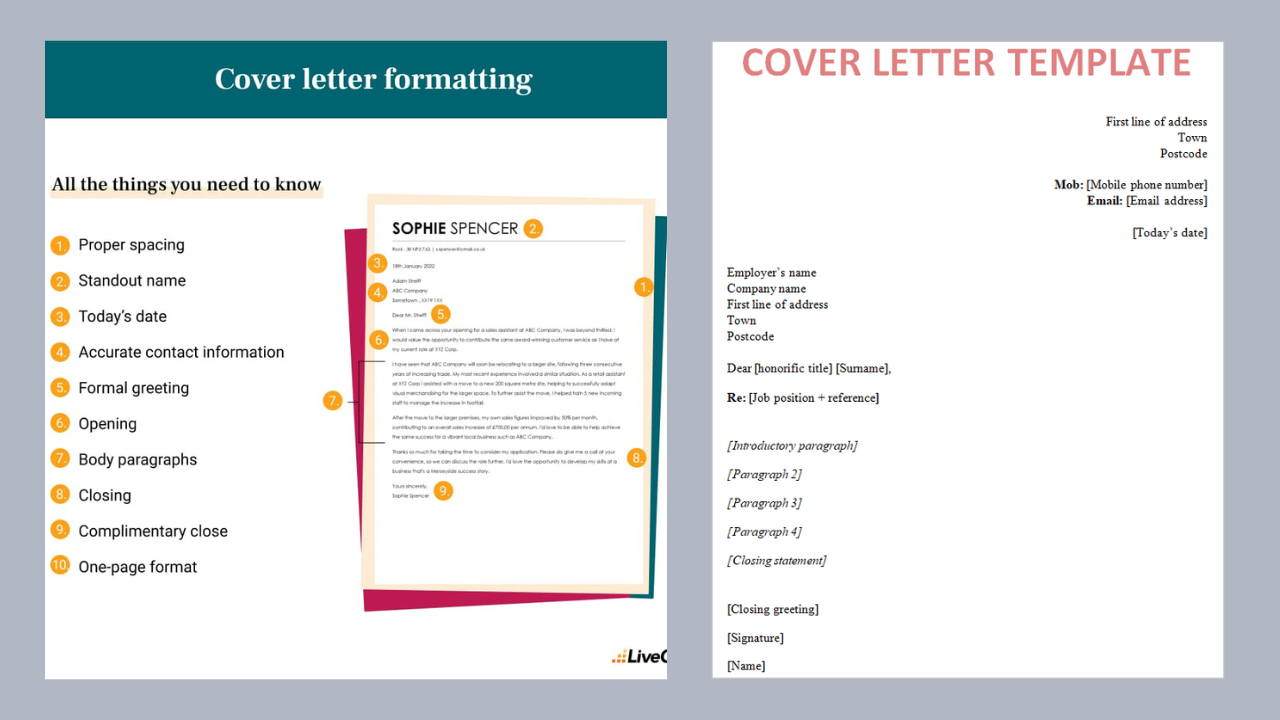
If you have the hiring manager’s or recruiter’s name, using it is almost always the best approach. It shows that you’ve taken the time to personalise your application rather than sending a generic one. In most professional settings, the greeting should begin with “Dear,” followed by the appropriate title and the person’s surname. Within the UK, titles such as Mr, Ms, Mrs, or Dr are standard, and when there is any uncertainty, “Ms” is generally the safest choice. Using only a first name can feel too casual unless the role or company culture clearly encourages it. Accuracy matters as well, as even a small spelling mistake can leave a negative impression before the letter is read correctly.
How to Address a Cover Letter When Writing to a Company
In many cases, a cover letter should be addressed to the company rather than a specific person. This is common when job listings don’t name a contact, when applications are submitted through recruitment platforms, or when dealing with large organisations. In these situations, directing the letter to a department or team is both professional and widely accepted. Greetings such as “Dear Hiring Team,” “Dear Recruitment Department,” or “Dear Human Resources Team” keep the tone formal while still sounding intentional. This approach works particularly well in corporate settings, where hiring decisions are often shared among several people rather than handled by a single individual.
How to Address a Cover Letter If the Recipient’s Name Is Unknown
Not knowing whom to address in a cover letter is a common issue for many applicants. It can feel uncomfortable at first, but there are well-established professional options that avoid sounding vague or careless. The priority is to maintain a polite, business-appropriate tone without using language that feels dated or generic. “Dear Hiring Manager” is a strong, widely accepted salutation across most industries. For roles handled by HR teams, “Dear Recruitment Team” works just as well. Using these greetings demonstrates that you understand professional expectations, even when specific details are unavailable.
How to Address a Cover Letter in the UK When No Name Is Provided
UK employers generally expect professional language that feels current rather than overly traditional. When addressing a cover letter without a name, use “Dear Hiring Manager” or “Dear Recruitment Team” instead of older forms of address. While phrases like “Dear Sir or Madam” still appear in some formal contexts, many employers now see them as dated. There is a growing preference for neutral and inclusive language, especially within larger organisations and public-sector roles. Choosing a more modern greeting demonstrates your understanding of how professional communication is evolving in the UK.
How to Address a Cover Letter UK: Format and Style
Addressing a cover letter in the UK means paying attention to slight differences in tone and formatting that may not apply elsewhere. UK cover letters tend to be polite, professional, and slightly reserved in style. A comma rather than a colon usually follows the greeting, and the language remains formal throughout. Even for roles at modern or creative companies, it’s generally best to start on the formal side and let your personality come through in the body of the letter. Keeping the tone consistent from the opening line to the closing helps the letter feel balanced and well considered.
Addressing a Cover Letter for Online Applications
Online applications may have changed how cover letters are submitted, but they haven’t changed what recruiters expect from them. Whether the letter is uploaded as a document or written directly into an email, the opening greeting still carries weight. It’s easy to assume small details matter less in online systems, yet recruiters still notice them. Using a greeting such as “Dear Hiring Manager” or addressing the relevant team remains a professional choice. For email applications, the greeting should appear at the beginning of the message, followed by a clear, well-structured introduction. Keeping this consistent helps maintain a professional impression across different application formats.
Standard Cover Letter Addressing Mistakes to Avoid
Many candidates weaken an otherwise strong application through minor but avoidable missteps. Using casual greetings like “Hi” or “Hello” can come across as unprofessional in formal hiring settings. Another common mistake is guessing a name or job title without checking, which can easily leave the wrong impression. Even minor errors, such as misspelling a name or using an incorrect title, can be more harmful than leaving the name out altogether. Openings that feel generic or rushed should also be avoided, as they often suggest a lack of care or attention.
How to Research the Right Addressee
Whenever it’s possible, spending a few extra minutes to find the right contact can make a noticeable difference in a cover letter. Company websites, job adverts, and professional profiles often offer hints about who handles recruitment. Even when a specific name isn’t available, identifying the relevant department allows you to use a more targeted greeting. Taking this extra step shows initiative and careful attention to detail, qualities that employers consistently appreciate.
Balancing Formality and Confidence
A strong cover letter opening finds the right balance between professionalism and approachability. The greeting should feel polished without sounding stiff or old-fashioned. Many UK employers value clear, confident communication, and that tone can be set from the very first line. Choosing an appropriate greeting helps the rest of the letter read smoothly and supports a confident presentation of your skills and experience.
Adapting the Greeting to Different Roles
The appropriate greeting can vary by role and industry. More traditional fields, such as corporate, legal, or public-sector work, typically expect a formal tone, while startups or creative roles may allow a slightly more relaxed tone. Even so, it’s generally safer to err on the side of professionalism when you’re unsure. It’s far easier to soften the tone as the letter progresses than to recover from an opening that feels too informal.
Final Tips for Addressing a Cover Letter Successfully
The most effective way to address a cover letter is to focus on clarity, respect, and professionalism from the very start. Whenever possible, use a name, and if one isn’t available, select a modern alternative that still feels appropriate. Matching your tone to UK professional expectations helps your application appear polished and thoughtful. It’s best to avoid assumptions, outdated wording, or overly casual language. Taking care with how you address a cover letter strengthens the overall impression and helps set your candidacy up on a positive note.
Read More: NewsDetects.
Add a Comment