
Introduction
Understanding personality traits helps people navigate social interactions, work environments, and personal boundaries more effectively. One personality pattern that often generates confusion and strong opinions is narcissism. When people ask what a narcissistic woman is, what are the traits of a selfish woman, and what is a narcissistic woman’s personality, they are usually seeking clarity about behaviors, emotional patterns, and personality characteristics that go beyond surface confidence. Narcissism exists on a spectrum, and while everyone may display self‑focused behavior at times, narcissistic traits become significant when they consistently shape how a person thinks, feels, and interacts with others.
This article takes a straightforward, balanced look at how narcissism can show up in women, without relying on stereotypes or assumptions. It explores defining traits, personality patterns, common behaviors, underlying psychological influences, and the real-life effects these traits can have. The intention isn’t to label or judge, but to offer clarity, helping readers notice patterns more accurately and respond with greater awareness, perspective, and emotional understanding.
What Is a Narcissistic Woman?
A narcissistic woman is typically someone whose sense of self is heavily centered on her own needs, image, and desire for recognition, often paired with limited emotional attunement to others. This goes beyond simple self-confidence or vanity. It reflects a deeper mode of relating to the world, in which validation, status, and personal importance strongly influence everyday thoughts and behavior. These traits can show up in varying degrees, and having narcissistic tendencies does not automatically mean someone has a diagnosable condition; many people fall somewhere along the spectrum without meeting clinical thresholds.
In women, narcissism doesn’t always match the familiar stereotypes people expect. Instead of overt dominance or constant self-promotion, it often manifests in more nuanced ways—through social positioning, emotional leverage, reliance on appearance for validation, or subtle control within relationships. Because these expressions can seem polished or socially acceptable, they’re often tricky to spot at first. Early on, the behavior may come across as confidence, charm, or heightened emotional awareness, which can mask the underlying pattern.
Core Traits of a Narcissistic Woman
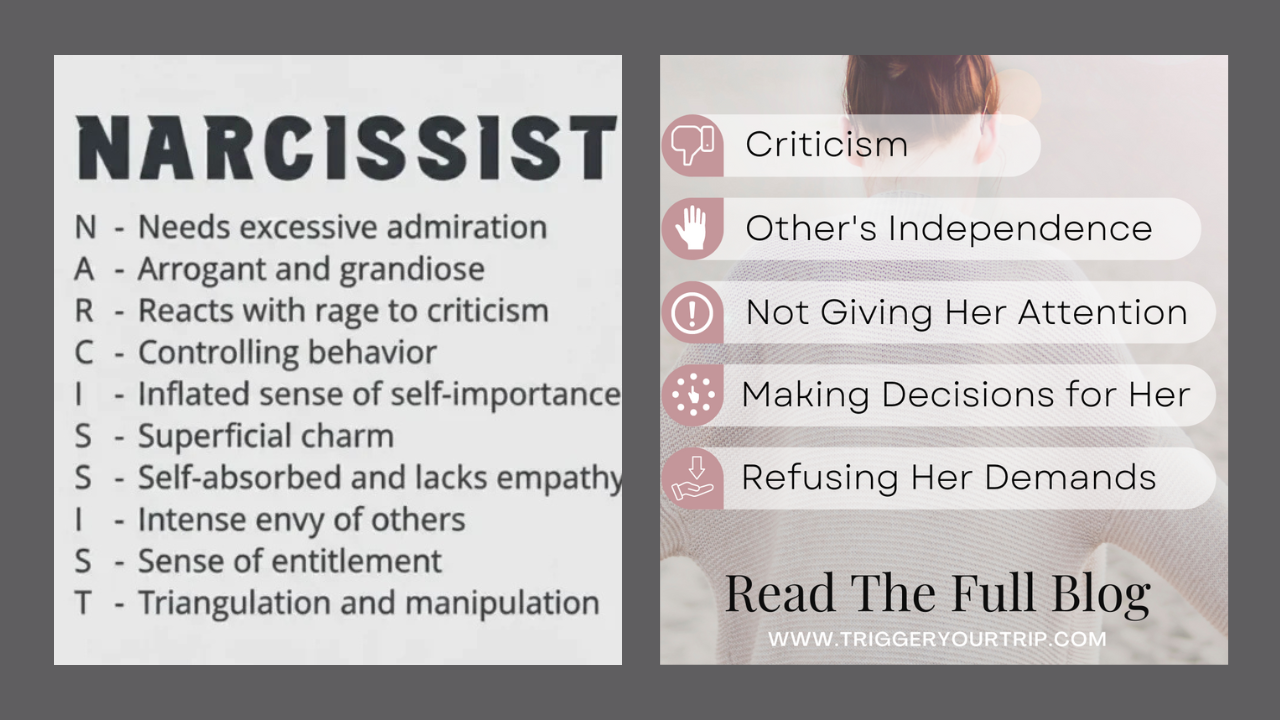
One of the most evident signs of narcissistic behavior in a woman is a deep reliance on admiration from others. Compliments and attention aren’t just appreciated; they often feel essential to emotional balance. When that steady stream of validation slows or disappears, her sense of self can quickly waver, sometimes manifesting as moodiness, defensiveness, insecurity, or a noticeable withdrawal from others.
Another common trait is an extreme reaction to criticism. Comments that others might see as neutral or constructive can be experienced as profoundly personal, even threatening. Rather than considering the feedback, she may respond by becoming defensive, dismissing it, shifting responsibility, or framing herself as misunderstood or unjustly judged.
A reduced capacity for genuine empathy is another pattern that often appears. A narcissistic woman may be able to recognize what others are feeling on a surface level, yet those emotions tend to take a back seat when they clash with her own priorities. As a result, her emotional responses can appear limited, inconsistent, or situational—offered more readily when they serve a purpose and withdrawn when they do not.
Other traits often accompany these patterns, including a sense of entitlement and an expectation of being treated differently from others. There may also be a habit of steering situations—sometimes deliberately, sometimes instinctively—in ways that preserve influence, attention, or a sense of superiority. Together, these tendencies create the underlying structure that shapes a narcissistic personality.
Personality Characteristics of a Narcissistic Woman
The personality of a narcissistic woman is often a mix of visible confidence and underlying emotional fragility. She may appear composed, charismatic, and socially adept, conveying strong self-assurance. Yet beneath that polished exterior, her sense of worth is frequently tied to external reactions, approval, and others’ perceptions of her.
Many women with narcissistic traits fall into what’s often described as a more vulnerable pattern. In this case, confidence or charm can act as a cover for deep insecurity, heightened emotional sensitivity, and an intense fear of being dismissed or rejected. Because of this inner tension, emotions may change quickly, particularly when attention fades or when situations don’t unfold as she expected.
Emotional fluctuations often characterize this personality pattern. A narcissistic woman might feel confident and valued in one moment, only to feel overlooked or challenged shortly after. Because her self-image is closely tied to others’ responses to her, maintaining a stable emotional balance can be difficult, leading to noticeable mood and behavioral shifts.
Behavioral Patterns Commonly Observed
In everyday interactions, narcissistic women often gravitate toward being the center of attention. Conversations may gradually return to their experiences, accomplishments, or challenges, even when the topic begins elsewhere. Whether through highlighting successes or sharing personal difficulties, the underlying aim is often to remain noticed, acknowledged, and emotionally engaged by those around them.
Manipulative behavior often shows up in ways that are easy to overlook. It might take the form of guilt-laden comments, emotional withdrawal, offering affection only when it benefits them, or framing themselves as the wronged party when confronted. These reactions aren’t always calculated, but they tend to serve the same purpose: shielding their self-image and preserving a sense of control within the situation.
Another recurring pattern is the tendency to downplay others’ needs. When offering emotional support doesn’t serve her interests, a narcissistic woman may brush off concerns, change the narrative, or overlook feelings altogether. Over time, this imbalance can leave others feeling unheard, exhausted, or taken for granted, as the emotional exchange becomes one-sided.
Psychological Factors Behind Narcissistic Traits
Narcissistic traits typically develop over time, shaped by early-life experiences, recurring emotional patterns, and learned coping strategies. Some people are raised in environments where approval is unpredictable or contingent on achievement, behavior, or appearance, thereby teaching them to seek validation. Others may be overpraised or idealized, which can limit the development of accountability and make the self-image feel more important than emotional responsibility.
For women, cultural pressure around appearance, likability, and social status can quietly strengthen narcissistic tendencies. When approval from others becomes a key source of self-worth, external validation can start to outweigh inner stability. While these influences don’t justify harmful behavior, they do shed light on how specific patterns take root and become deeply woven into a person’s personality over time.
Narcissism vs Healthy Confidence
It’s essential to separate narcissism from genuine self-confidence. Healthy confidence arises from knowing and accepting oneself, maintaining emotional stability, and valuing others as equals. Truly confident people can handle feedback without falling apart, show empathy naturally, and build connections that don’t depend on constant praise or reassurance.
Narcissism works very differently. It relies heavily on external approval and tends to respond defensively when that image is challenged. Where healthy confidence strengthens relationships, narcissistic behavior often creates tension or distance. Recognizing this distinction makes it easier to appreciate strong, assertive personalities while also spotting patterns that can become harmful over time.
Impact on Interpersonal Dynamics
Narcissistic traits can take a real toll on relationships and group dynamics. As time passes, people around the individual may begin to feel overlooked, emotionally sidelined, or subtly controlled. When exchanges become one-sided or driven by personal gain rather than mutual care, trust naturally weakens.
In workplaces or group environments, narcissistic behavior can quietly disrupt balance. A strong focus on recognition or personal validation may foster unnecessary competition or strain among others. When being seen and praised takes precedence, cooperation weakens, and the emotional safety that supports healthy teamwork often begins to fade.
Recognizing and Responding to Narcissistic Behavior
Recognizing narcissistic traits requires looking at patterns over time, not just single moments or bad days. When entitlement, limited empathy, emotional influence, and a constant need for validation recur, they indicate deeper, more ingrained personality tendencies rather than isolated behavior.
Responding healthily means setting clear emotional boundaries, keeping expectations grounded, and staying aware of your own reactions. Gaining insight into narcissism can encourage empathy, but it doesn’t mean accepting behavior that causes harm. Thoughtful, balanced responses help protect your emotional health while limiting tension and unnecessary confrontation.
Conclusion
When looking closely at what a narcissistic woman is, along with her traits and personality patterns, it becomes clear that narcissism is not a single behavior but a mix of self-centered focus, emotional reactivity, and recurring interpersonal habits. In women, these tendencies are often expressed in quieter, more socially refined ways, manifesting through subtle influence and relational dynamics rather than overt displays of dominance.
Gaining insight into narcissistic personality patterns makes it easier to communicate clearly, set stronger boundaries, and respond with intention rather than frustration. Instead of focusing on labels, paying attention to repeated behaviors over time offers a more reliable understanding of how narcissism influences both personality and the way relationships function.
Add a Comment